
Project Avenger: VR, Big Data Sharpen Navy Pilot Training
The first class of trainee pilots to use the new technology — and the more individualized instruction it allows — are making rapid progress, Navy officials say.
The first class of trainee pilots to use the new technology — and the more individualized instruction it allows — are making rapid progress, Navy officials say.
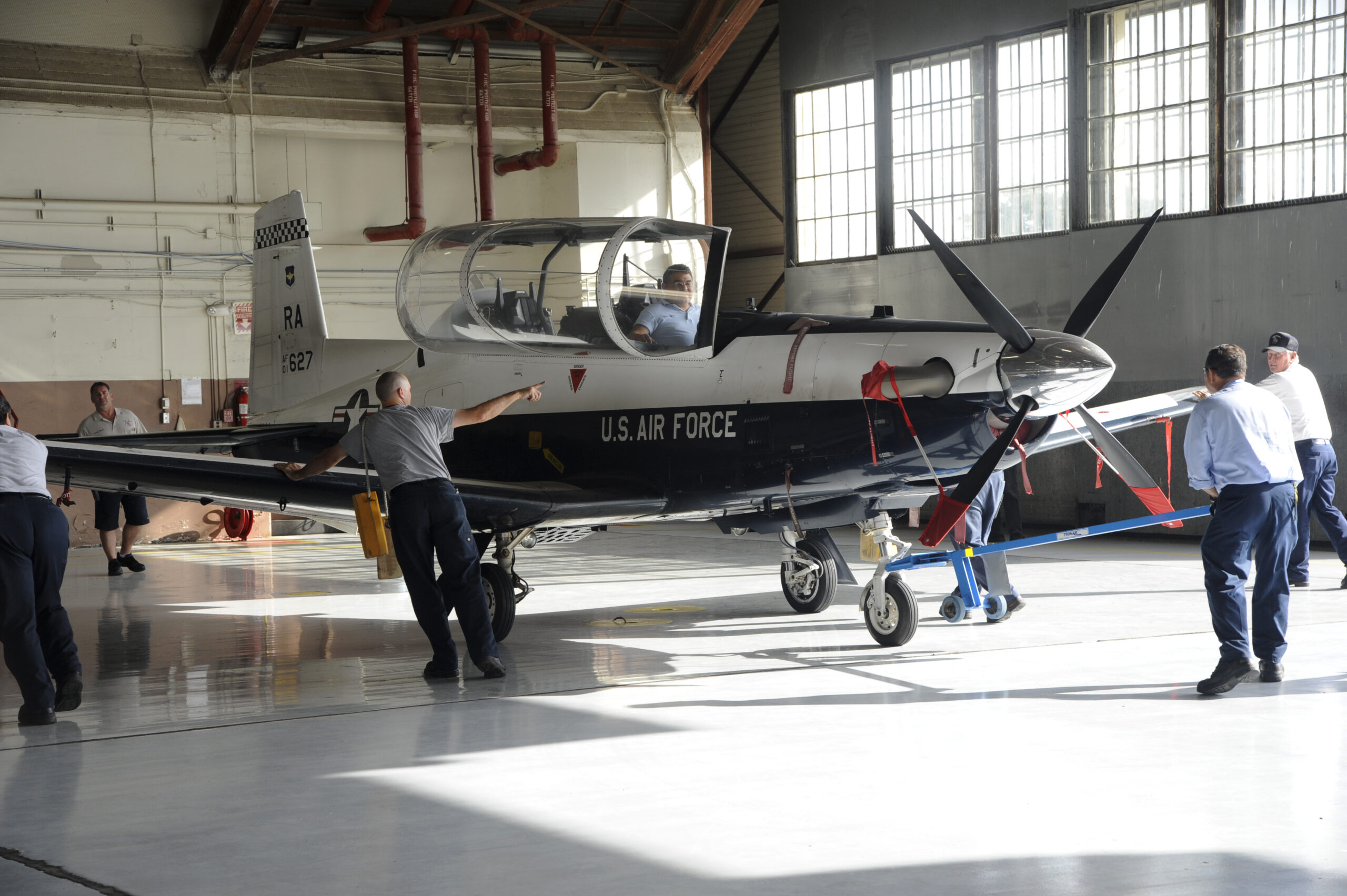
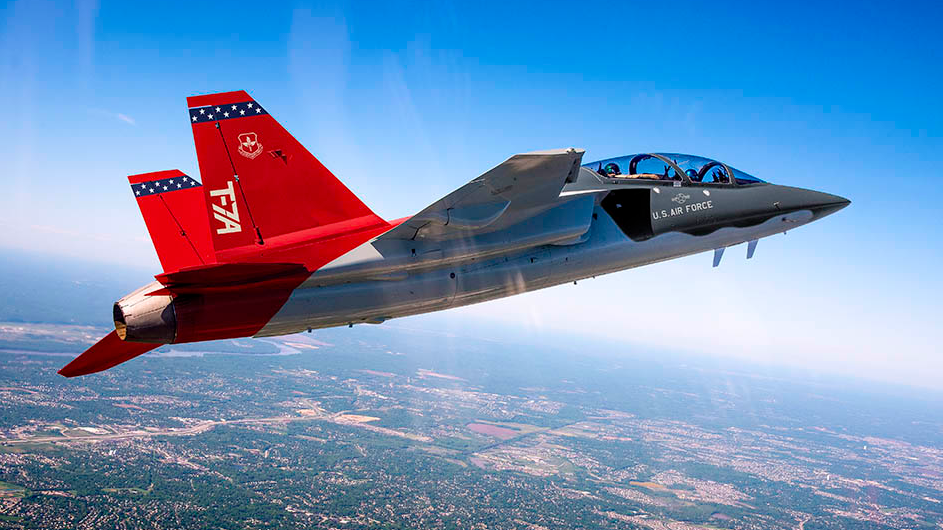
"We flew the F-22 like it was an F-15. We flew the F-15E like an F-111. APT-X will figure out how can we can fly the T-7 differently - not like a T-38," says Brig. Gen. Brenda Cartier, 19th Air Force vice commander.

"We're learning from industry as we go," said Eileene Vidrine, Air Force chief data officer.

“Data is the new oil for the international economic order,” Alan Shaffer, a top Pentagon acquisition official, told the annual ITSEC training and simulation conference.

Future multi-domain combat will be so complex and long-ranged that the military will rely heavily on simulations to train for it, because battles have become too big for real-world training ranges.
The Air Force has ordered 46 simulators and associated ground equipment, but can purchase up to 120 simulators under the current contract with Boeing.
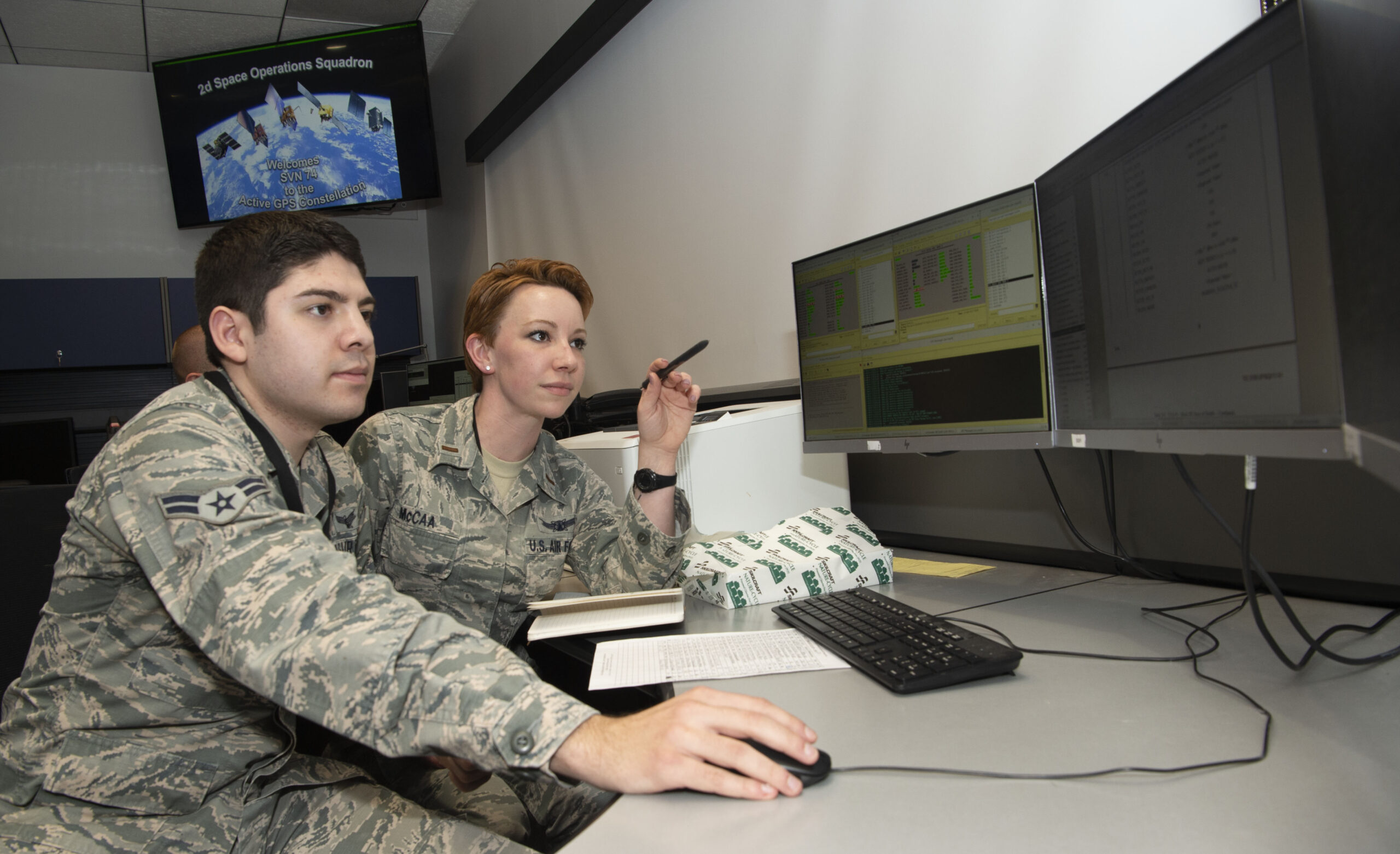
"We've decided that the topic is important enough and unique enough that we need a group of people who understand it down to its most fundamental levels."
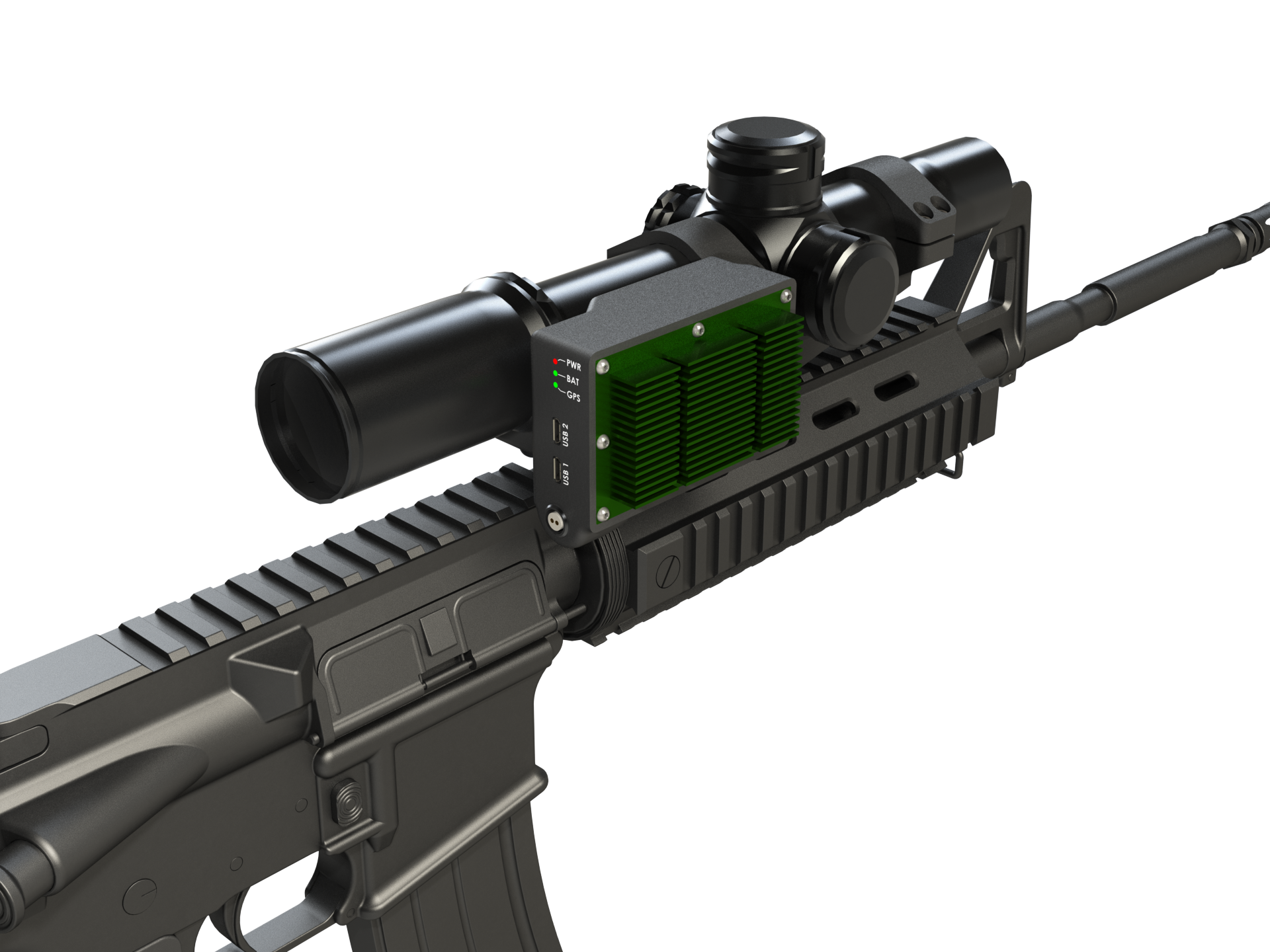
A new training network will simulate the effects of weapons — from mortars and grenades to, potentially, germ warfare — and tell troops if they’re “killed” or “wounded,” then play the whole exercise back for AI analysis. One Army engineer told us: “We’ve never been able to train this stuff, never.”